Services
Grinding & Scarifying: A Practical, Cost-Effective Safety Solution
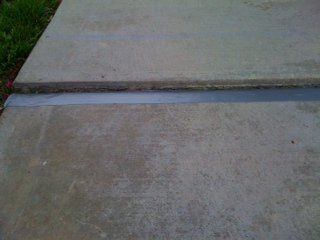
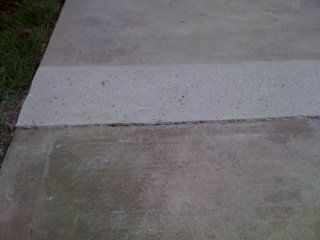
Not every concrete problem requires lifting multiple slabs. In some situations, grinding or scarifying is the most practical, effective, and budget-friendly way to eliminate trip hazards and improve safety.
What Is Concrete Grinding?
Concrete grinding is the process of shaving down high spots where one slab has lifted above another. By removing a small amount of concrete from the raised edge, we can create a smooth transition between slabs and eliminate dangerous height differences that cause trips and falls.
What Is Scarifying?
Scarifying is a more aggressive surface treatment that removes higher areas or uneven surfaces to restore uniformity. It’s often used when slabs are structurally sound but have surface irregularities that create safety concerns.
When Grinding Makes More Sense Than Lifting
In long stretches of sidewalk, parking lots, or walkways, it’s not always cost-effective—or necessary—to lift 10, 15, or 20 slabs in a row. In many cases, grinding just two or three slabs at key transition points can achieve the same safety result for a fraction of the cost.
This approach is especially valuable for:
- Municipalities
- Apartment complexes
- Condos and HOAs
- Subdivisions and commercial properties
We understand that budgets are real, and responsible property management means finding solutions that balance safety, performance, and cost.
Safety Comes First—Always
Our primary goal is to remove trip hazards and reduce liability, not to upsell unnecessary work. If grinding or scarifying will safely solve the problem, we will recommend it. If leveling is the better long-term solution, we’ll explain why.
At Irwin Concrete Leveling, we work with our customers—not against their budgets. Whether the solution involves lifting, grinding, or a combination of both, we focus on doing what makes the most sense for the property and the people who use it.
Why Sealing Concrete Joints Is So Important—Especially Before Winter
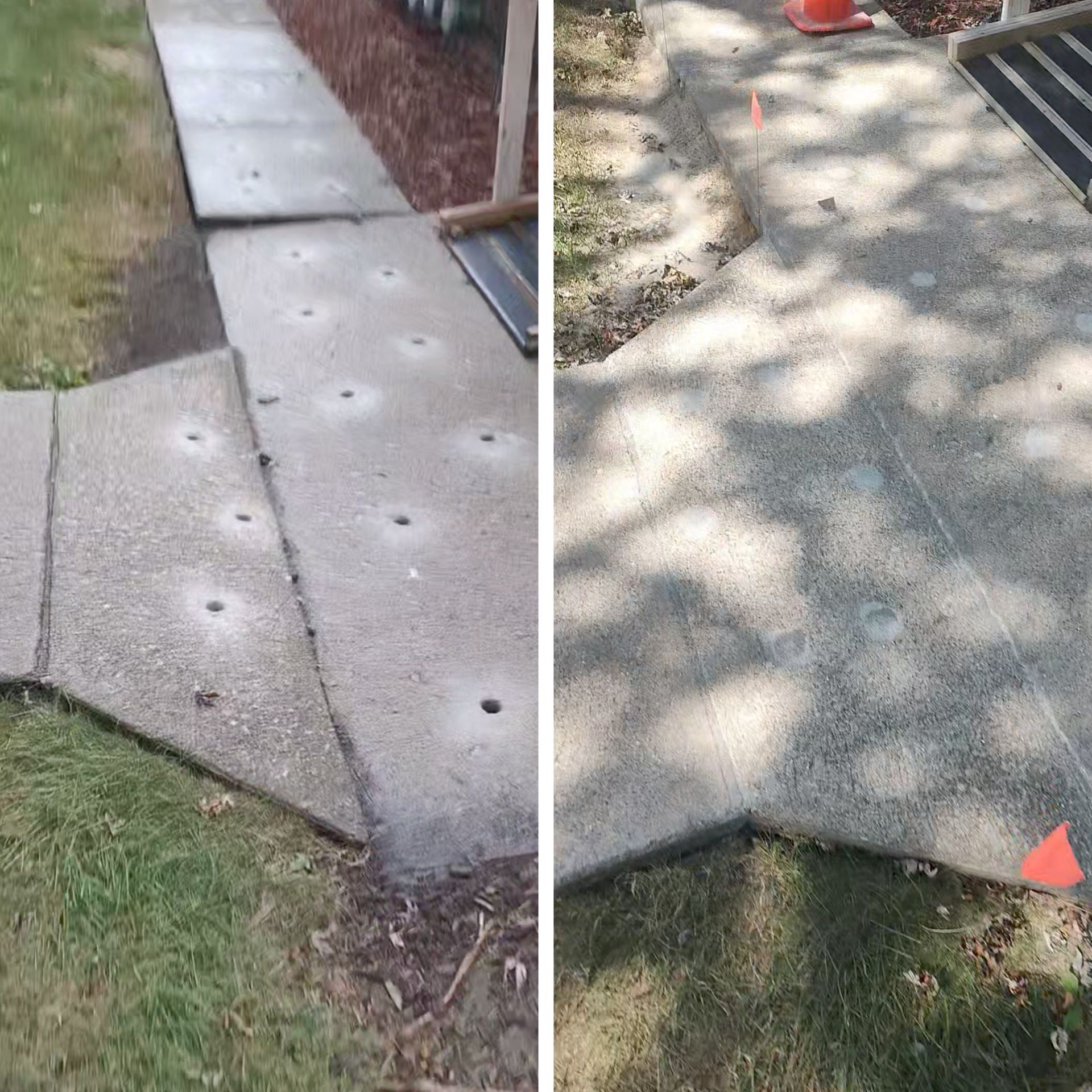
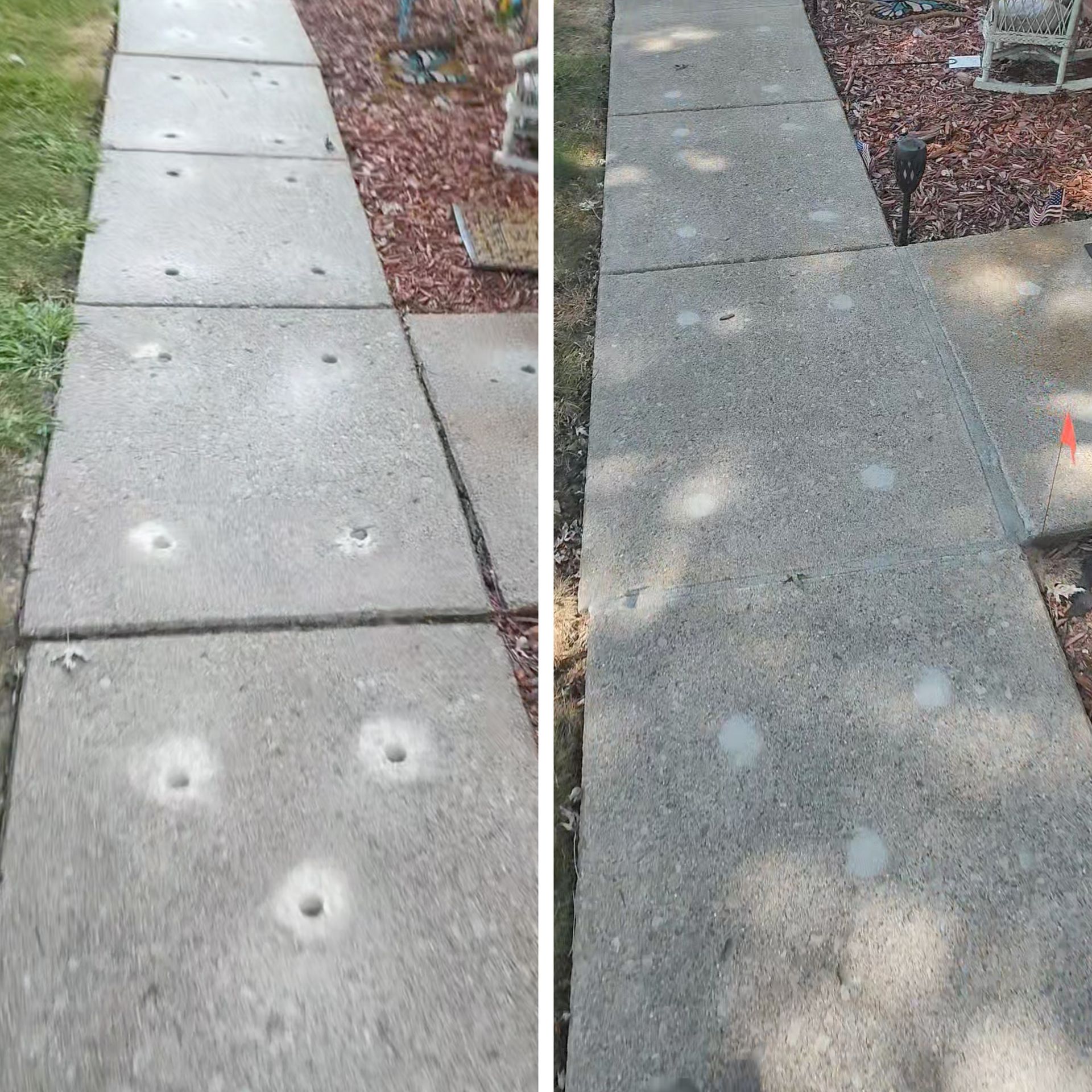
Concrete slabs are designed to be strong and durable, but they are not immune to movement—especially when joints and cracks are left unsealed. The areas between slabs and along control joints are natural entry points for water, and when those openings are not properly sealed, problems can develop below the surface.
Why Joint Sealing Protects Your Investment
Sealing joints and cracks acts as a protective barrier, preventing water from reaching the soil beneath your concrete. Proper sealing helps:
- Reduce soil erosion and washout
- Minimize freeze–thaw movement
- Preserve the stability of the slab
- Extend the life of your concrete surfaces
Concrete movement often starts out of sight, but the damage it causes becomes visible over time. Proactively sealing joints is one of the most effective ways to protect your concrete from seasonal movement and costly repairs.
Our Concrete Joint Caulking Process
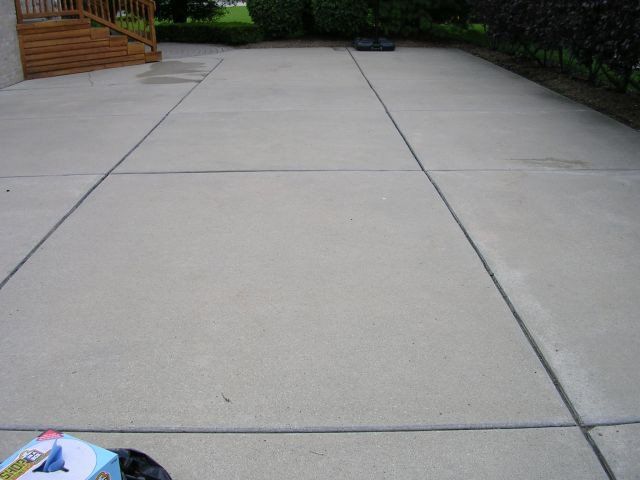
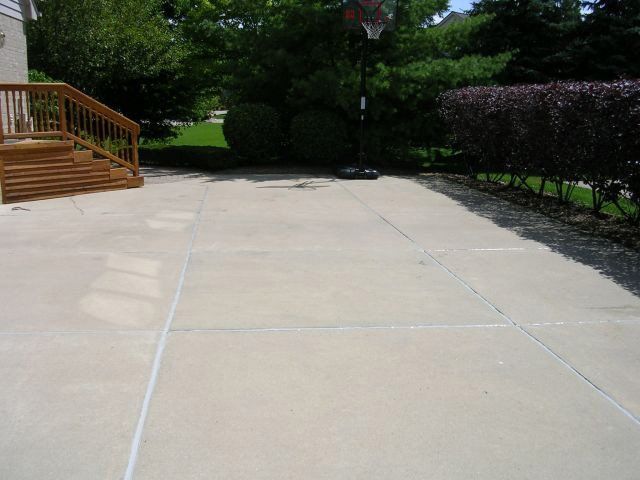
Proper joint sealing is one of the most important steps in protecting concrete from water intrusion, erosion, and movement. A sealant is only as effective as the preparation beneath it, which is why we take a thorough, detail-oriented approach to every caulking job.
Thorough Joint Preparation
Before any sealant is applied, we carefully clean out all joints and cracks, removing loose debris, dust, and deteriorated material. This step is critical—any leftover residue can prevent proper adhesion and reduce the lifespan of the sealant.
By ensuring the joint walls are clean and sound, we create the right conditions for long-term performance.
High-Quality Polyurethane Sealant
Once the joints are properly prepared, we apply a flexible polyurethane concrete sealant designed to bond securely to the concrete surfaces. This type of sealant is made to:
- Move with the concrete during seasonal expansion and contraction
- Maintain a watertight seal
- Resist cracking, peeling, and separation
- Withstand harsh weather conditions
Long-Term Protection
When properly installed, caulking helps prevent water from penetrating beneath the slab, reducing the risk of washout, freeze-thaw damage, and future settling. It also keeps debris from entering the joints, which can interfere with proper slab movement.
At Irwin Concrete Leveling, we don’t rush this process. Proper cleaning, correct materials, and careful application ensure your concrete joints remain sealed, flexible, and protected for years to come.
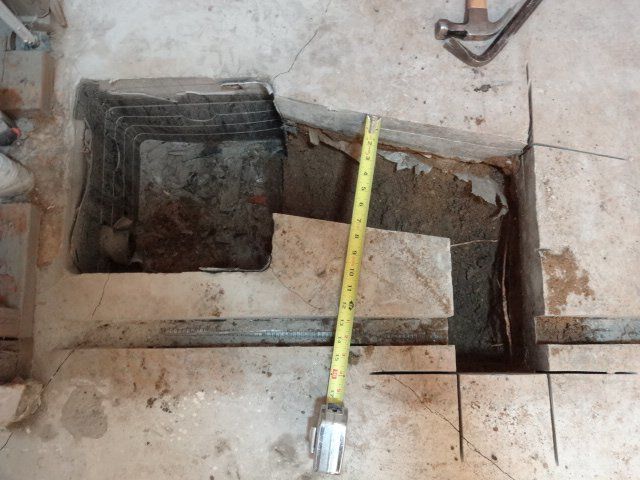
Saw Cutting
We use saws equipped with a diamond blade to cut horizontal, flat concrete and asphalt surfaces to any depth up to 5.5 inches.
Typical sawing projects include patching, plumbing trenches, parking lot re-pavement, residential and commercial enhancements, access and repair of broken water pipe or sewer lines.
Void Filling
Hidden voids beneath concrete can lead to settling, cracking, and water-related damage. Our void filling process pumps a specialized aggregate material under the slab to fill empty spaces and restore solid support. The material flows into all cavities and compacts into a strong, stone-like base, helping prevent future settlement, water intrusion, and freeze-thaw issues.
Void filling is a proactive solution that protects your concrete and helps avoid bigger, more costly repairs.